1 #207 Why most Arduino Soil Moisture Sensors suck (incl. solution)
Andreas Spiess explains why many cheap Arduino soil moisture sensors give poor readings and shows a fix; cited by people building or modifying capacitive sensor boards.
Channel
13 recommended videos. Channel on YouTube
Andreas Spiess explains why many cheap Arduino soil moisture sensors give poor readings and shows a fix; cited by people building or modifying capacitive sensor boards.
Andreas Spiess builds an ESP8266 sensor that runs 17 days on a coin cell using deep sleep; a common starting point for battery-powered Wi-Fi sensor projects.
Andreas Spiess covers ESP8266 sleep modes and measures its current spikes; cited both for low-power design and for why the module needs decent supply capacitance.
An overview of the cheap A7 GSM and GPS module, recommended when a project needs both mobile data and positioning on a budget.
Andreas Spiess explains running code on both ESP32 cores from the Arduino IDE, including passing data between tasks and keeping them in step.
Recommended for understanding cheap radar motion sensor modules, comparing several and testing how they behave as an alternative to PIR.
Andreas Spiess walks through the cheap A6 GSM module, recommended for getting it powered, reset and talking over AT commands from an Arduino.
Recommended Andreas Spiess video on a MOSFET latch that lets a microcontroller hold its own supply on after a button press, then cut it off when finished.
Andreas Spiess covers building a small battery backup that lets a Raspberry Pi shut down cleanly during a power cut, praised as a good overview of the challenges.
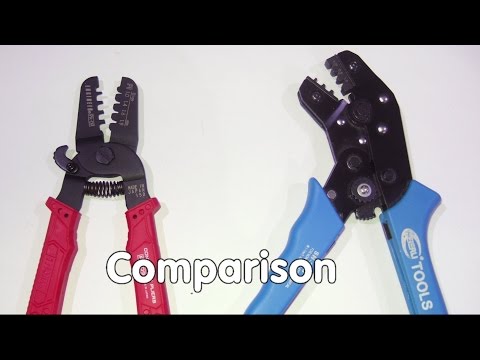
Hidden gemAndreas Spiess compares crimpers and connector kits, recommended when choosing an affordable tool for making 2.54mm pin connectors.
Andreas Spiess works through powering an ESP8266 from a battery, covering the calculations involved, oscilloscope traces and adding a capacitor across the supply pins.
Andreas Spiess compares tools for measuring tiny and pulsed currents, from the Nordic Power Profiler Kit II to the Joulescope; recommended when a multimeter misses ESP32 current spikes.
Andreas Spiess builds a low-power transmitter that sets radio-controlled clocks via DCF77, WWVB, MSF or JJY; cited when people ask about emulating a time signal.