1 #215: Basics of crossover distortion | LM358 op amp example
Linked to show crossover distortion in op amps such as the LM358, usually when someone's amplifier output is unexpectedly distorted or audibly rough.
Topic
11 videos. Ranked by independent recommendations, not by views.
Linked to show crossover distortion in op amps such as the LM358, usually when someone's amplifier output is unexpectedly distorted or audibly rough.
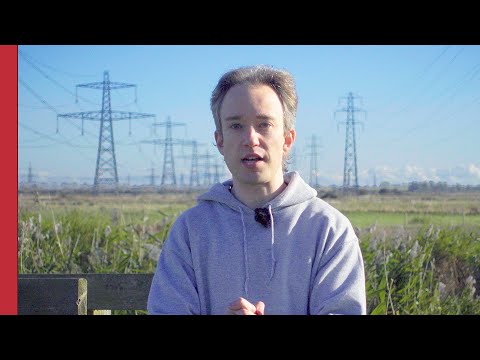
Tom Scott's explainer on how small drifts in grid frequency leave a hum in recordings that can date footage, shared as a fascinating aside.
Linked in passing as a practical example and once as a joke about background noise, with little said about the content, so treat it as a curiosity.
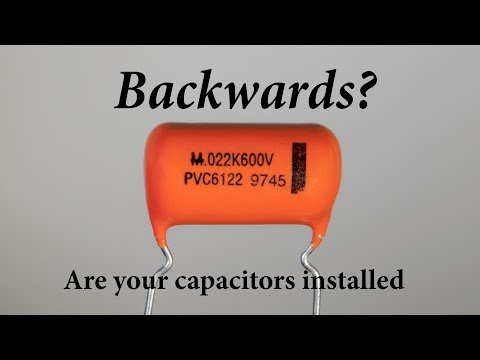
Cited to show that a capacitor's plate orientation may affect audio circuits owing to how the part is constructed.
Enthusiastically shared as a Casper Electronics walkthrough building oscillators and simple synth circuits around the CD40106 chip.
Hidden gemA tutorial on passive RC high pass filters, recommended as the step for stripping DC offset or low frequency noise out of a microphone or sensor signal.
A Bob Pease video on measuring and understanding amplifier distortion, including the trick of loading an LM324 or LM358 output to reduce crossover distortion.
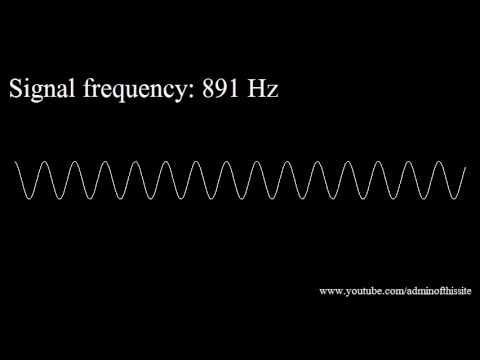
Used as a reference tone sweep across the audible range, handy for hearing where your ears or a speaker cut off and for recognising hum frequencies.
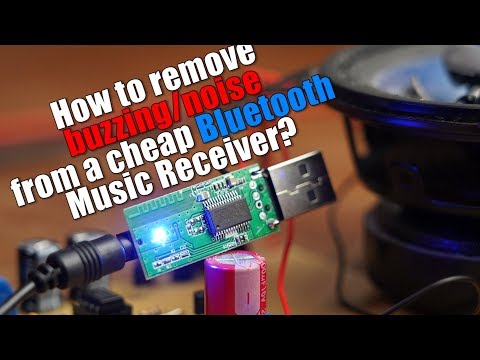
GreatScott tracks down buzzing from a cheap Bluetooth audio receiver and tries fixes; recommended for ground loop noise and the isolated DC-DC converter cure.
Shows motorised faders moving on a digital mixing desk, linked as an example of commercial fader automation when people ask about self-moving controls.
An explanation of an automatic audio level control circuit built with germanium diodes, shared as a worked example with a schematic.