1 A simple guide to electronic components.
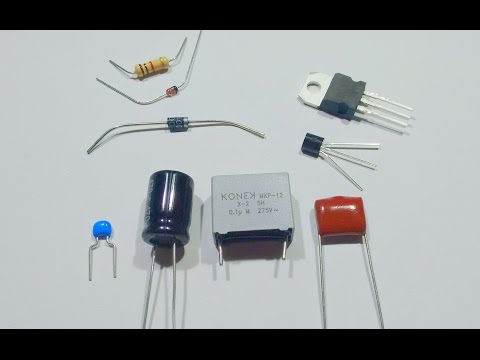
Big Clive's run through the common electronic components and what each does, suggested as a first stop before kits or Arduino projects.
Topic
26 videos. Ranked by independent recommendations, not by views.
Big Clive's run through the common electronic components and what each does, suggested as a first stop before kits or Arduino projects.
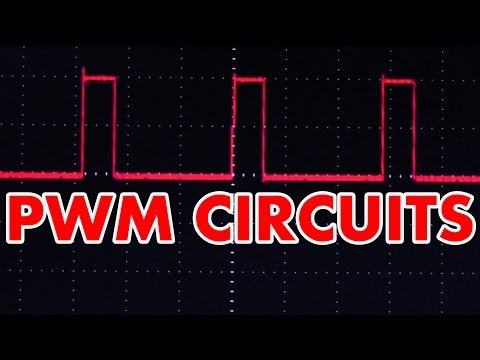
The standard explainer for pulse width modulation, linked whenever someone needs to dim LEDs or control motor speed from a microcontroller.
A short, slightly silly explanation of how transistors work at the semiconductor level, often linked for anyone who has not yet grasped the basics.
The opening lecture of an MIT circuits course, recommended for explaining the assumptions behind circuit theory and what electrical engineering actually is.
GreatScott's electronic basics playlist, which people have suggested over many years as the starting series for learning what common components are and what they do.
Suggested as the first stop in a basics playlist for anyone who needs to rebuild their understanding of electricity from the ground up.
A beginner friendly explanation of how voltage, current and resistance relate, often the first thing suggested before anyone helps with a project.
Ben Eater's explanation of how a bipolar transistor works, repeatedly offered as a very helpful way to grasp the basics.
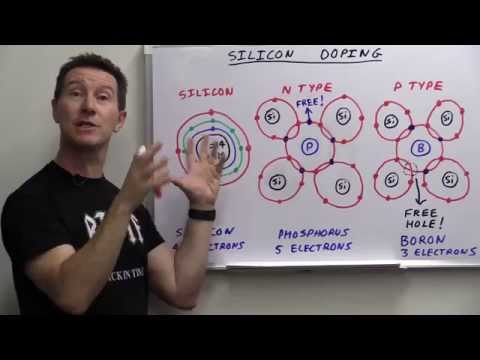
Dave Jones' EEVblog explainer on how bipolar transistors actually work at the junction level, often handed to beginners puzzled by the basic NPN picture.
A long university-style lecture series on introductory circuit analysis from a highly regarded professor, suggested for first-year students and anyone rebuilding their foundations.
Hidden gemThe EEVblog Fundamentals Friday playlist, recommended as a way to pick up core electronics theory from Dave Jones.
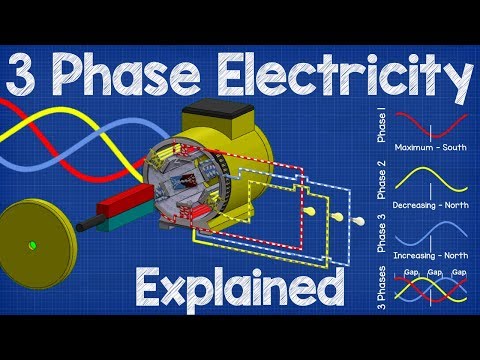
A clear explanation of why mains power is generated and distributed as three phases, often linked for anyone confused about phase offsets and line voltages.
Linked as the way into a basics series on electronics fundamentals, described as straightforward for complete newcomers wanting a quick grounding.
A bench demonstration of LC resonance from w2aew, recommended for seeing a tank circuit behave on a scope rather than only in equations.
Part of Dave Jones's fundamentals tutorials, recommended for learning to work through mesh and loop circuit analysis step by step.
A clear explanation of what decibels mean and how dB ratios relate to power, voltage and references like dBm, offered to anyone confused by the units.
A transistor explainer that gets recommended as a starting point for how components work, though one questioner found its treatment of BJT saturation stopped at the surface.
ElectroBOOM builds capacitors from foil and plastic, recommended for a feel for what capacitance household materials can give.
The resistor episode of the Make Presents component series, suggested as a starting point for learning basic parts.
The diode episode of the Make component series, recommended as a clear beginner introduction alongside the resistor, capacitor and transistor videos.
A DC circuit analysis playlist from the Organic Chemistry Tutor channel, suggested to learners who want a grounding in circuit fundamentals, including those starting out with Arduino.
The opening lecture of a full university circuits course, repeatedly recommended as a thorough way to learn circuit analysis from scratch.
Richard Feynman clip on why asking how magnets work has no simpler answer, linked when discussions reach the limits of explanation.
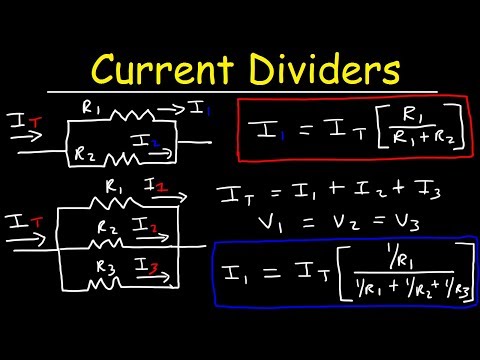
A walkthrough of the current divider rule, recommended to students starting circuit analysis alongside the same channel's voltage divider and Kirchhoff videos.
An explanation of how voltage dividers work, commonly linked when a beginner needs the idea of splitting a voltage across resistors.
A case for learning electronics fundamentals properly before diving in, recommended to reset a newcomer's outlook on the basics.